When comparing handcrafted leather wrapping and molded leather wrapping, each approach offers unique advantages and drawbacks:
Handcrafted Leather Wrapping
Pros:
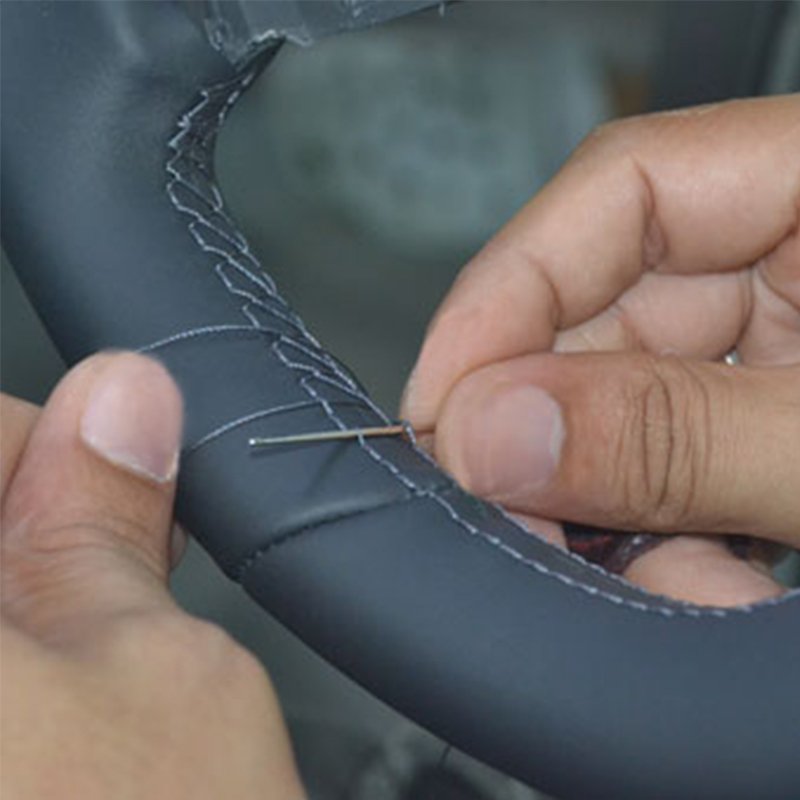
- High Flexibility: Ideal for complex shapes, small quantities, or highly personalized products. It can adapt to specific needs, allowing for on-the-fly adjustments and modifications, making it perfect for custom designs or one-off projects.
- Lower Cost: For small-scale production without high precision requirements, handcrafted leather wrapping avoids the high cost of creating molds, reducing overall expenses.
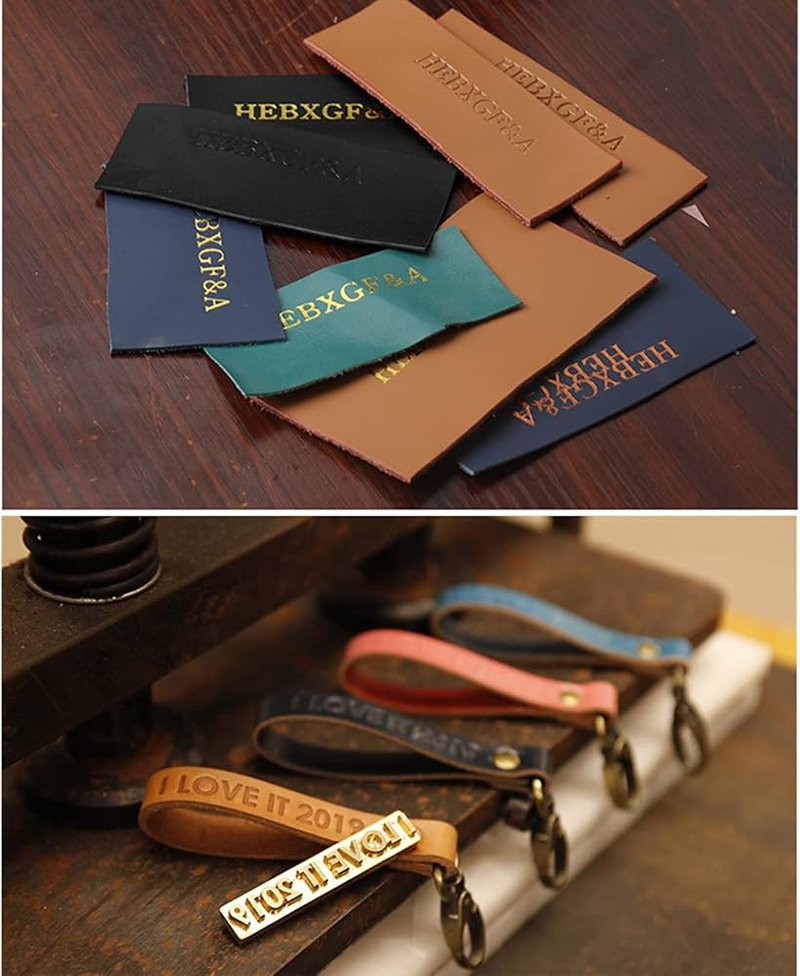
- Unique Effects: Skilled artisans can create custom textures, patterns, or decorative effects, giving products an artistic and personalized touch.
Cons:
Have a product that needs leather wrapping?
Send us a product photo, drawing, sample information or 3D file. We will review the structure, finishing requirements and estimated quantity before preparing a quotation.
- Lower Efficiency: Handcrafted processes are slower, especially for large-scale production, leading to longer production times and limited output within a given timeframe.
- Inconsistent Quality: Since it relies heavily on manual labor, product quality may vary between artisans or even between batches from the same artisan, making it harder to maintain uniform standards.
- Labor-Intensive: Requires long hours of meticulous work, which can lead to worker fatigue and higher labor costs due to the need for skilled craftsmanship and training.
Molded Leather Wrapping
Pros:
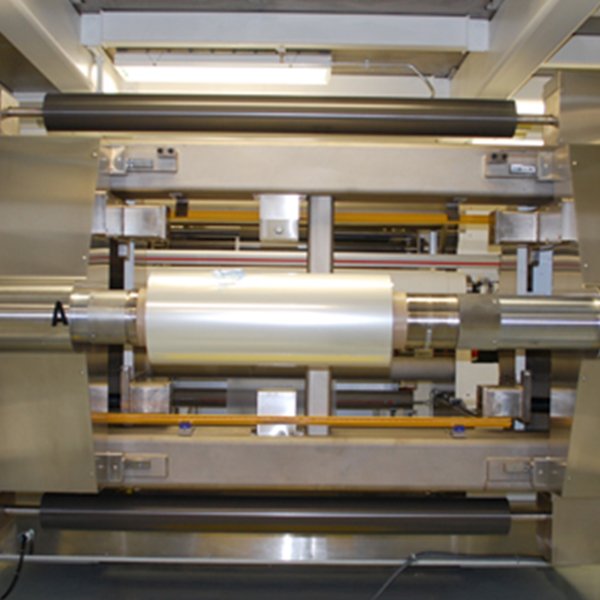
- High Efficiency: Once the mold is created, it allows for mass production, enabling large quantities of uniform products to be made quickly, making it ideal for meeting high market demand.
- Stable Quality: Molded products offer high precision and consistent quality across all units, ensuring that each item adheres to the same specifications.
- Ideal for Complex Shapes: Molded processes excel in producing items with complex shapes, ensuring perfect fit and tight adherence of the leather to the underlying product.
Cons:
- High Costs: Mold creation is expensive, requiring significant investment in design, manufacturing, and fine-tuning. This makes it less cost-effective for small-scale production.
- Limited Flexibility: Once the mold is made, it’s fixed in size and shape, making it difficult to modify the product design or accommodate custom orders without creating a new mold.
- Longer Development Cycle: From design approval to final production, the mold creation process can take a long time, slowing down the ability to respond quickly to market changes.
In summary, handcrafted leather wrapping is well-suited for customization and smaller-scale projects, while molded leather wrapping excels in mass production and consistency, despite its higher upfront costs and lower flexibility.