Handmade leather upholstery, a craft that blends artistry and precision, is evolving rapidly to meet modern demands. Here are some key trends that define the future of this craft:
1. Integration with Technology
- Digital Design and Assistance: With advancements in Computer-Aided Design (CAD) and 3D modeling, designers can now precisely plan the patterns, textures, and dimensions of leather upholstery. These tools allow designers to simulate how the leather will appear on the final product, improving both efficiency and accuracy. For instance, in furniture upholstery, designers can use software to create cut patterns that perfectly match the shape and style of the furniture, reducing errors and material waste.
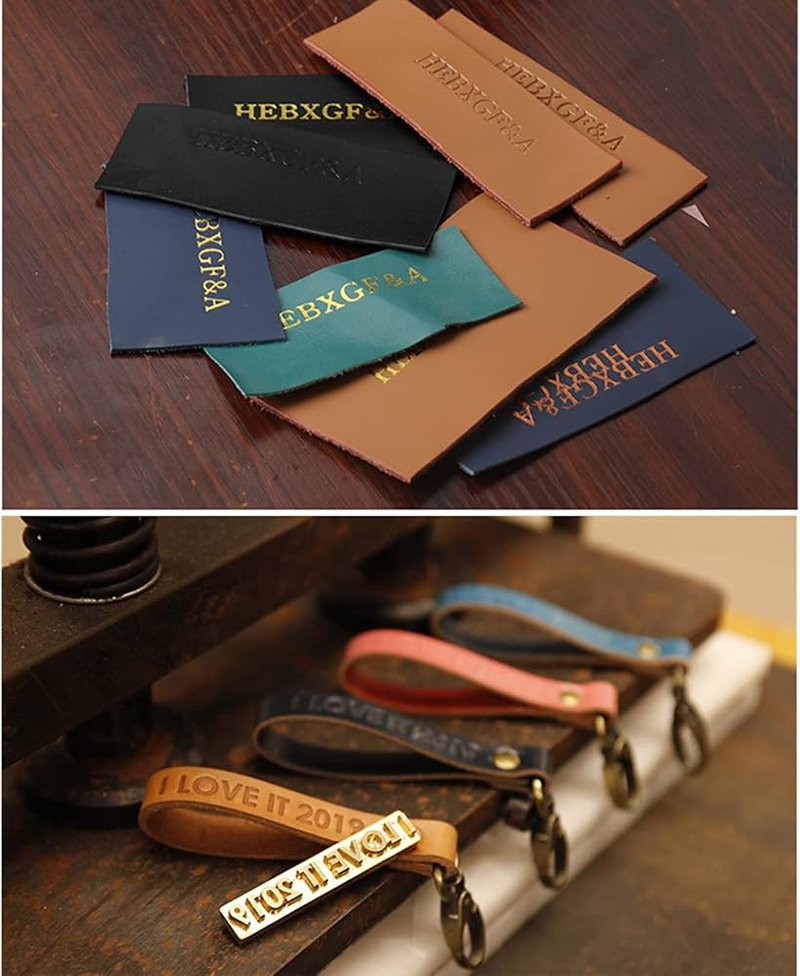
- Smart Manufacturing Aids: High-tech equipment like laser cutting and CNC engraving may increasingly work alongside traditional handmade processes. These machines can handle precise tasks like cutting, perforating, and etching leather, which speeds up the process while maintaining the flexibility and delicacy of handmade craftsmanship.
2. Growing Demand for Customization
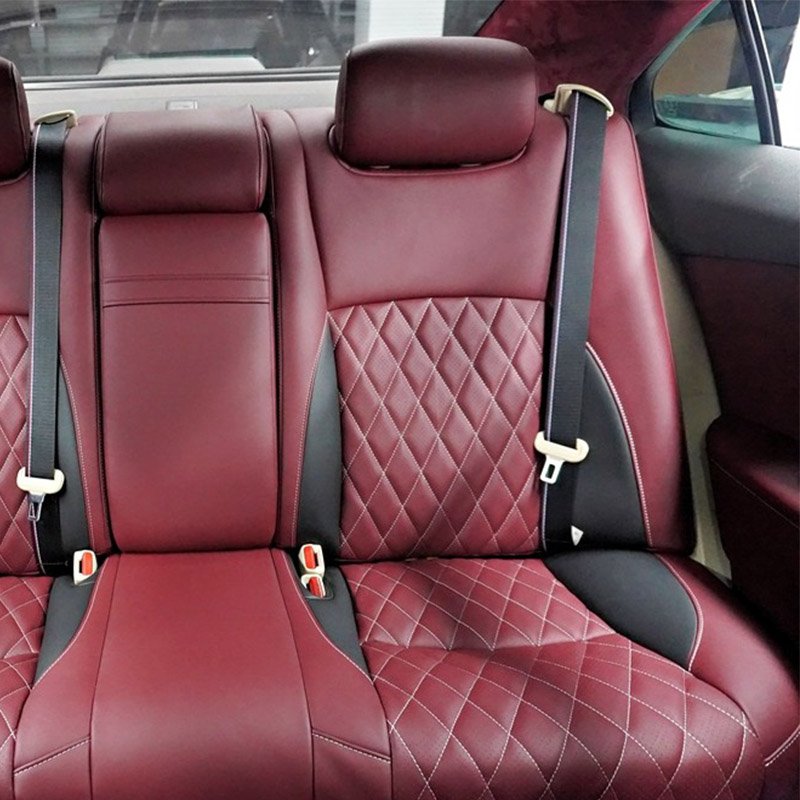
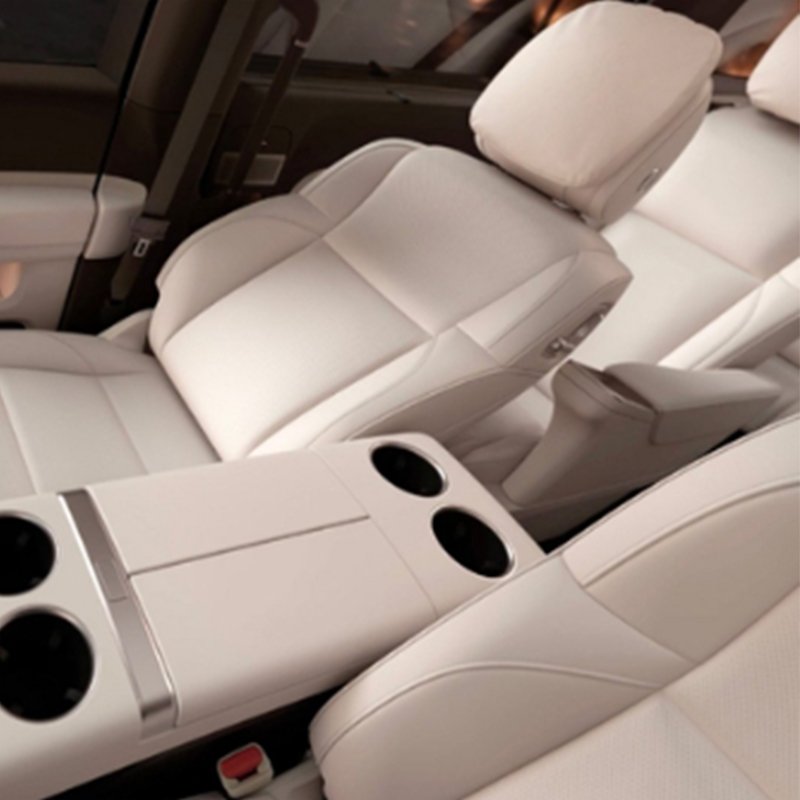
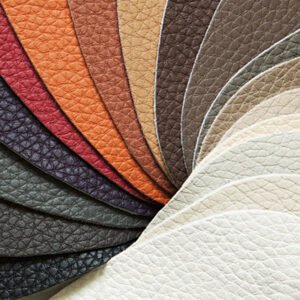
- Diverse Consumer Needs: As consumer preferences shift toward personalized and unique products, handmade leather upholstery is well-suited to meet this growing demand. Customers can specify the type, color, and texture of leather, as well as unique design features, to create bespoke pieces. For example, in the automotive industry, car owners can opt for custom leather upholstery on seats, steering wheels, and dashboards, allowing them to express their personal style.
- Niche and High-End Customization: Beyond mainstream demand, handmade leather upholstery is gaining traction in niche markets and high-end custom sectors. In luxury goods, such as artisanal leather products and fine furniture, the superior craftsmanship and exclusive designs of handmade upholstery cater to clients seeking individuality and quality.
3. Green and Sustainable Development
- Use of Eco-Friendly Materials: As environmental awareness grows, the use of sustainable leather materials is becoming more prevalent in the upholstery industry. This includes plant-tanned leather and recycled leather, which minimize environmental impact during production. Emerging materials like bio-based synthetic leather are also gaining traction for their leather-like qualities and enhanced sustainability.
- Environmentally Conscious Production: The production process itself is also becoming more eco-friendly. Companies are opting for environmentally safe adhesives, cleaners, and other materials to reduce the release of harmful substances. Optimized production processes aim to minimize energy consumption and waste, aligning with global sustainability goals.
4. Continuous Craft Innovation
- Innovative Upholstery Techniques: Artisans are exploring new methods for stitching, bonding, and joining leather, improving both durability and aesthetic appeal. For example, advanced techniques for edge finishing and corner treatment can lead to cleaner, more refined products. These innovations allow for more intricate and precise designs, further enhancing the appeal of handmade leather goods.
- Integration with Other Crafts: Handmade leather upholstery may merge with other crafts like embroidery, dyeing, and weaving to create unique, artistic products. Embroidering or printing on leather, for example, can add a decorative touch, while combining leather with woven materials can result in a distinct and innovative product design.
5. Specialization and Talent Development
- Increased Specialization: As the industry evolves, the specialization of handmade leather upholstery will increase. More businesses and workshops will focus on specific sectors such as furniture, automotive interiors, or leather goods, offering highly specialized and high-quality services.
- Enhanced Talent Development: The future of handmade leather upholstery depends on skilled artisans. To meet this demand, there will be more structured training programs and vocational courses focused on this craft. Apprenticeships and knowledge-sharing within the industry will also play a crucial role in passing down skills and nurturing new talent, ensuring the craft continues to flourish.
Conclusion
The future of handmade leather upholstery lies in the fusion of traditional craftsmanship with cutting-edge technology, increasing demand for personalization, sustainability efforts, and continuous innovation. As the industry grows more specialized and eco-conscious, it will continue to attract both consumers and artisans who value quality, creativity, and sustainability.